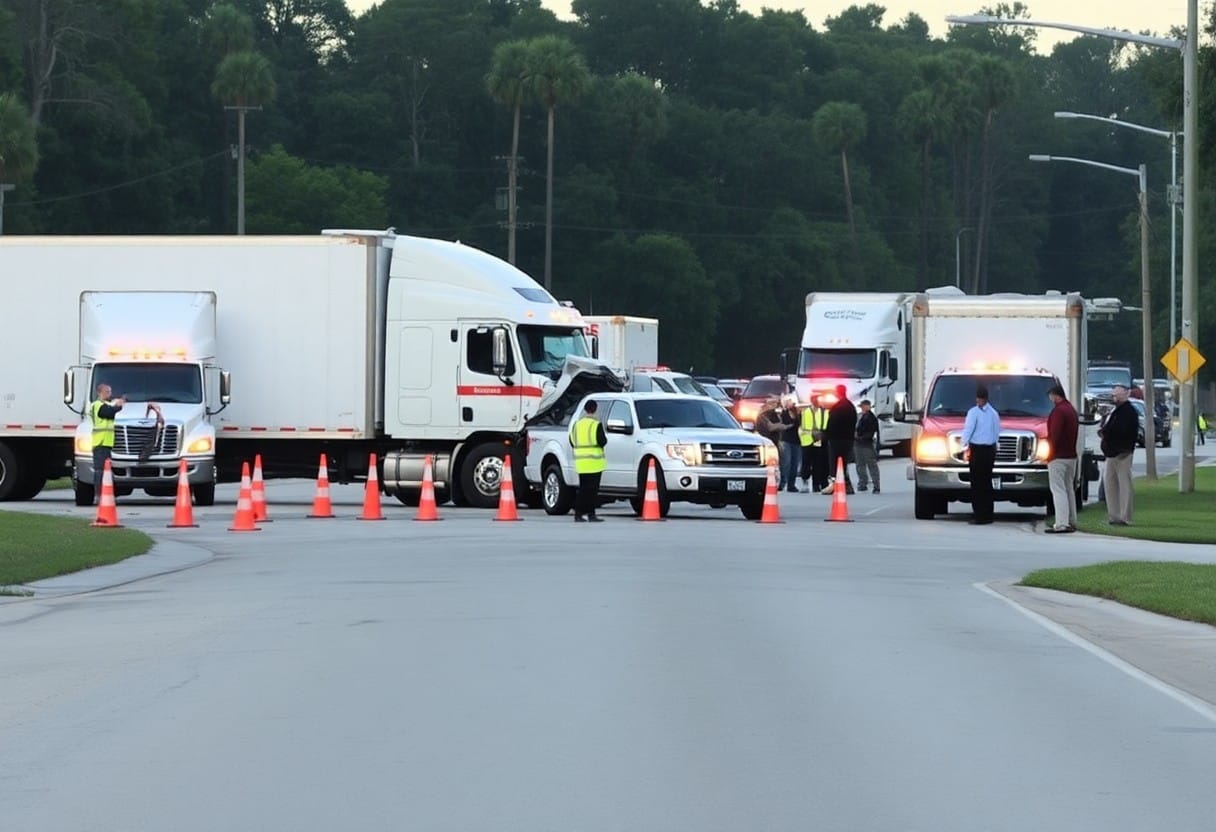

Over the years, you may have noticed how adverse weather conditions significantly impact road safety, particularly for truck drivers in Huntsville. Whether it’s rain, snow, or fog, each weather scenario brings unique challenges that can lead to an increased risk of trucking accidents. Understanding these effects not only helps improve your driving strategies, but also can aid in making informed decisions that reduce risks on the road. This blog post will break down the different weather factors and their influence on trucking safety, arming you with the knowledge to navigate Huntsville’s roads more safely.
Understanding Weather Conditions
For truck drivers in Huntsville, understanding different weather conditions is vital for ensuring safety on the roads. Weather can dramatically impact visibility, road traction, and vehicle handling, which increases the risk of accidents. By being aware of how weather affects driving, you can take proactive measures to stay safe.
Types of Weather Affecting Trucking
For anyone involved in trucking, it’s imperative to recognize the various weather conditions that can lead to accidents:
- Rain – Reduces visibility and increases slippery surfaces
- Snow – Creates accumulation and impacts road traction
- Fog – Significantly lowers visibility
- Wind – Forces open cargo containers, affects vehicle stability
- Ice – Poses serious risks for skidding or losing control
Thou must stay informed about how these weather conditions could impact your driving experience.
| Weather Condition | Impact on Trucking |
|---|---|
| Rain | Slippery roads, reduced traction |
| Snow | Increased stopping distances |
| Fog | Significantly decreased visibility |
| Wind | Challenges in vehicle control |
| Ice | Increased likelihood of accidents |
Statistics on Weather-Related Accidents
Below, you will find statistics highlighting the frequency of weather-related accidents in Huntsville:
Types of adverse weather incidents account for a significant portion of truck accidents. In fact, approximately 30% of traffic accidents occur during inclement weather conditions, with rain being the most common cause. These incidents often lead to enhancements in road safety regulations. Moreover, a staggering 60% of weather-related crashes involve commercial trucks, emphasizing the need for drivers like yourself to pay attention to weather forecasts and adjust your driving accordingly. By heeding these statistics, you can reduce your risks on the road.
Impact of Rain on Trucking Safety
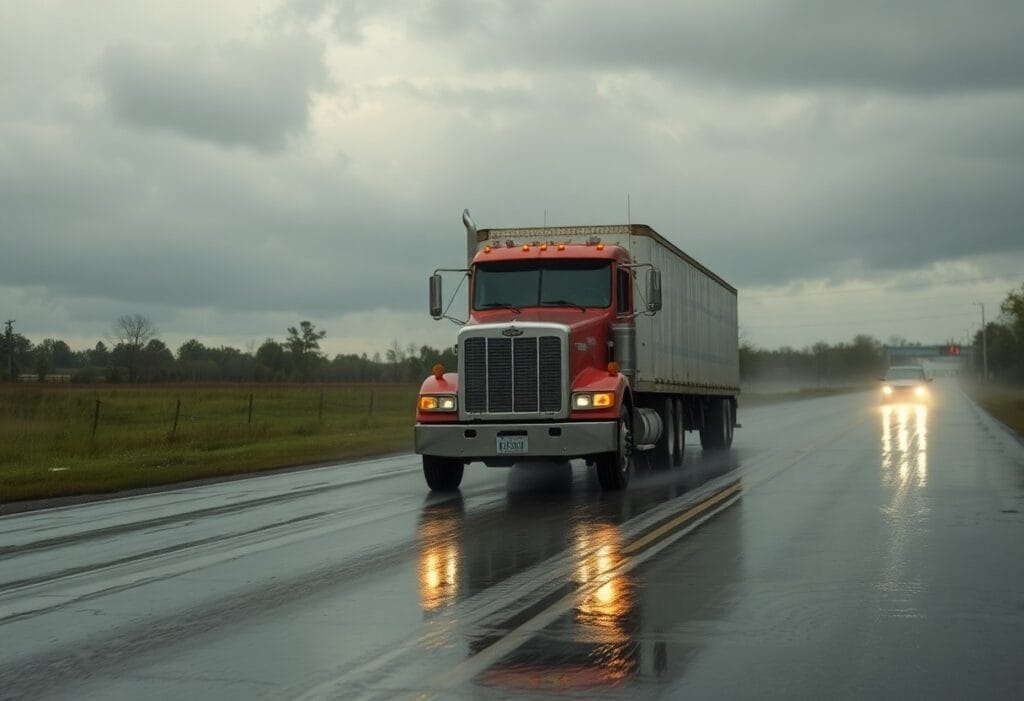
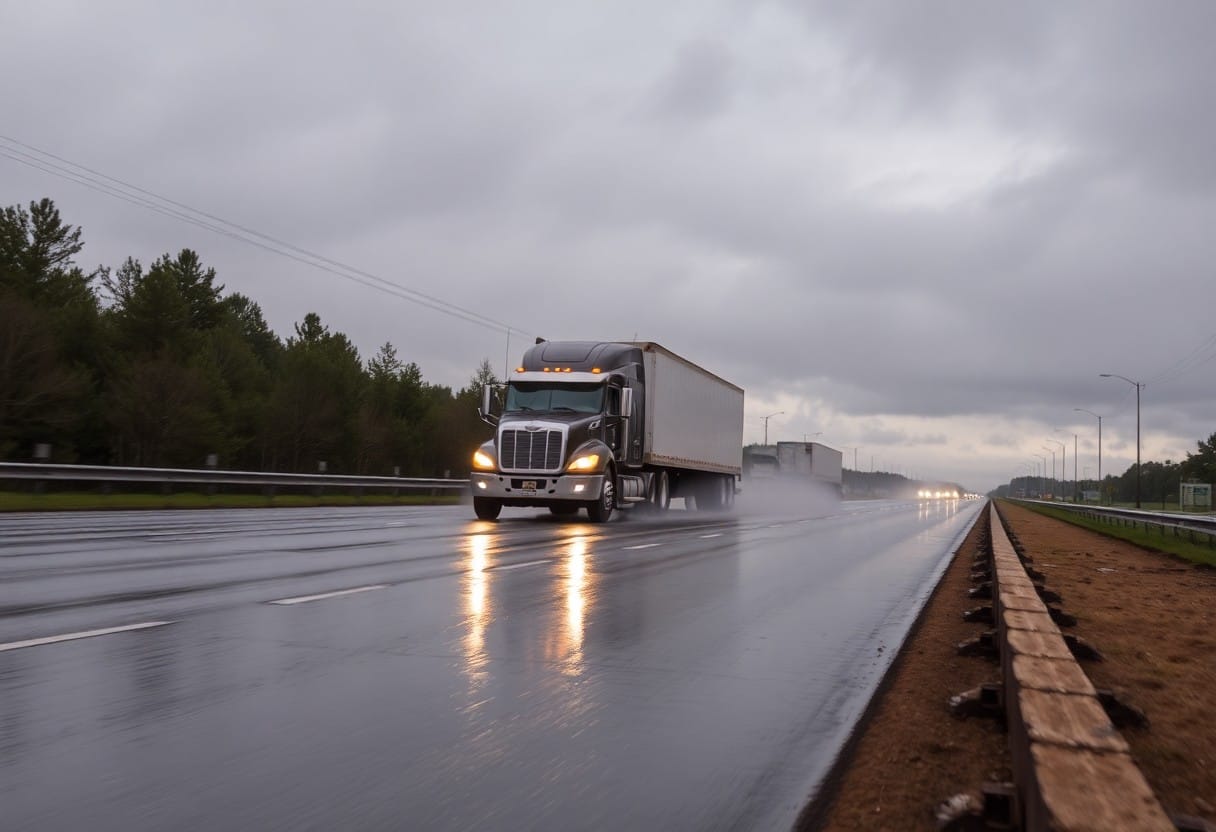
Now, rain dramatically impacts trucking safety, leading to an increase in accidents. Wet roads can create hazardous driving conditions, causing your truck to lose traction. You must be especially vigilant during rainstorms, as they can quickly change the dynamics of your driving environment, making it necessary to adjust your speed and maintain a safe following distance.
Hydroplaning Risks
On rainy days, your truck faces the risk of hydroplaning when water collects on the road surface. This occurs when the tires lose contact with the pavement, causing you to lose control of your vehicle. To minimize this risk, it’s vital to reduce your speed, avoid sudden maneuvers, and ensure your tires are properly maintained.
Reduced Visibility
About rain can severely reduce visibility while you’re driving, creating additional challenges on the road. It can be difficult to see other vehicles, road signs, or even traffic signals, increasing the risk of accidents.
For instance, during a rainstorm, your visibility can drop to a few feet, making it hard to react in time to hazards. If you rely solely on your vehicle’s wipers, you may still struggle to see clearly. In these situations, ensure that your headlights are on and consider pulling over to a safe area if conditions worsen. Staying alert and maintaining a cautious approach is necessary to navigate through the rain safely.
Effects of Snow and Ice
The presence of snow and ice significantly impacts trucking safety in Huntsville, as these conditions create treacherous driving environments. When temperatures drop and precipitation freezes, the roads become less predictable, requiring truck drivers to adjust their speed and driving behavior. Understanding how to navigate these conditions is imperative to prevent accidents during winter months.
Slippery Roads and Stopping Distances
Effects of snow and ice lead to slippery roads that dramatically increase stopping distances for trucks. When your vehicle is loaded and experiences these conditions, it can take significantly longer to come to a halt. Being aware of this reality is imperative to maintain safe driving practices during winter weather.
Increased Accident Rates in Winter
Accident rates tend to rise during the winter months, particularly in areas experiencing snow and ice. Truck drivers face a greater likelihood of collisions when navigating hazardous conditions, making caution paramount. More than just icy roads, factors like reduced visibility and unpredictable weather patterns also contribute to these incidents.
It is important to consider that the increase in accidents during winter can lead to severe consequences, not only for you and your truck but also for other road users. Proper preparation, including tire maintenance and adjusting your driving speed, can mitigate risks. Additionally, keeping a safe distance from other vehicles is vital in preventing rear-end collisions on slippery surfaces. Being proactive and adjusting your driving habits in response to winter weather can make a significant difference in road safety.
The Role of Fog and Low Visibility
To drive safely in Huntsville, understanding the impact of fog and low visibility is necessary. Fog can drastically reduce your ability to see road signs, other vehicles, and potential hazards, increasing the likelihood of trucking accidents. Awareness of fog’s effects allows you to adjust your driving behavior, maintain safe distances, and utilize headlights effectively, contributing to safer travel on the road.
Challenges for Truck Drivers
Beside the limited visibility, you face unique challenges as a truck driver in foggy conditions. Wind resistance created by the height and size of your vehicle can affect stability. Additionally, the increased stopping distance requires you to remain vigilant and prepared to respond to sudden obstacles, which can be daunting when visibility is compromised.
Preventive Measures
With the right preventive measures, you can greatly enhance safety during foggy conditions. Utilizing fog lights, driving at reduced speeds, and maintaining a safe following distance are vital actions to take. Being proactive not only keeps you safe but also protects other road users.
And by implementing preventive measures, you position yourself to navigate foggy conditions with increased safety. Ensuring your truck’s lights are in optimal condition helps you see better, while also keeping you visible to others. Regularly checking your brakes and maintaining slower speeds allows you to respond effectively to unexpected situations, significantly lowering your chance of an accident. Additionally, utilizing technology, such as GPS alerts for weather changes, can keep you informed and allow you to adapt your route or driving style accordingly. Prioritizing these measures is not just a good practice; it can be a game-changer for your safety while on the road.
Driver Behavior and Weather
Many factors impact how drivers react to varying weather conditions. Rain, snow, fog, and ice can drastically alter visibility and road traction, often leading to increased risks for trucking accidents. Your behavior behind the wheel, including your emotional state and adherence to safety protocols, is vital in navigating these adverse conditions. Staying alert and making informed decisions can significantly reduce the likelihood of getting involved in an accident.
Adapting Driving Techniques
After assessing the weather, you need to adapt your driving techniques accordingly. This means slowing down, increasing following distances, and making smoother maneuvers. Adjusting your speed based on the road conditions ensures that you maintain better control of your truck, which can help prevent accidents in challenging scenarios.
Importance of Training
After understanding the effects of weather on driving, investing in training becomes vital. Proper training equips you with the skills necessary to handle various challenging weather conditions safely.
This type of training should focus on defensive driving techniques, hazard recognition, and emergency response strategies. Engaging in regular training will help you build confidence and ensure that you are prepared for unexpected situations. Well-trained drivers are more adept at managing their emotions and decision-making, leading to a significant decrease in the likelihood of accidents during poor weather conditions. Prioritizing ongoing education can enhance your safety and the safety of others on the road.
Legal Considerations and Liability
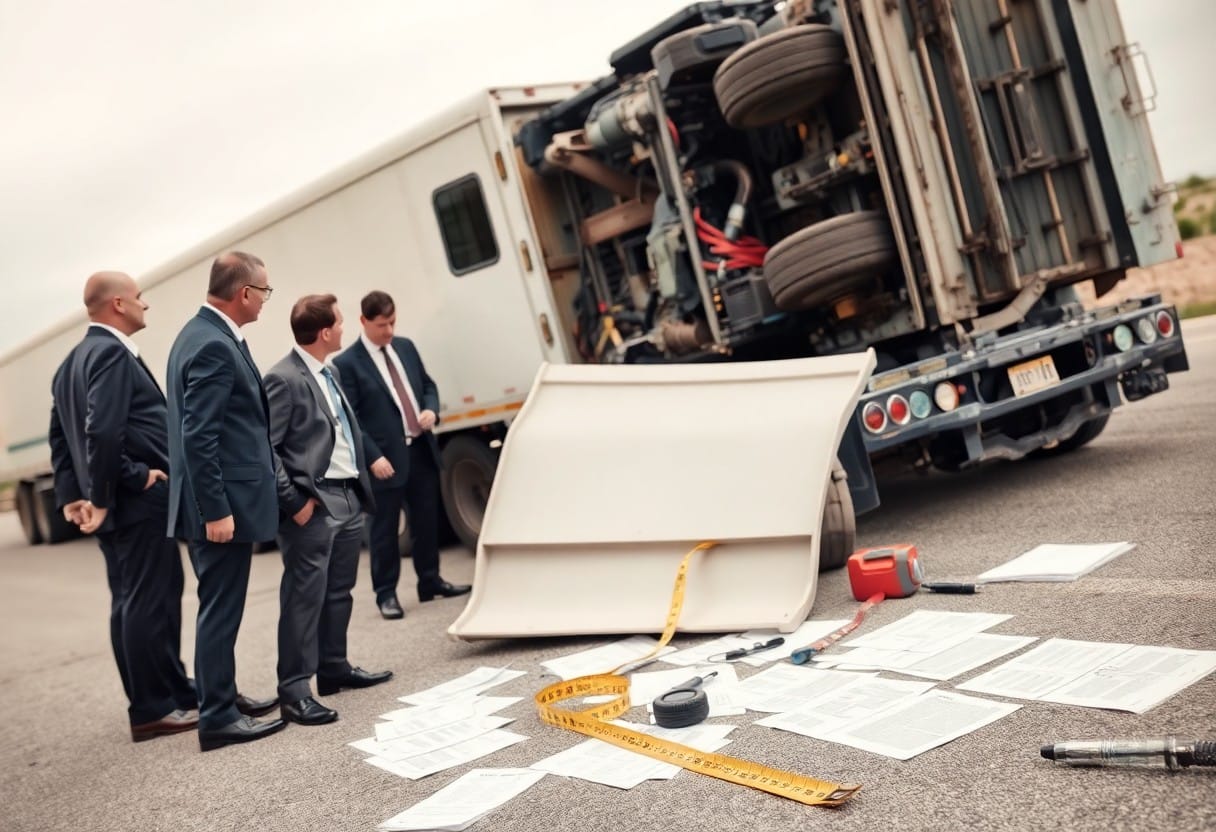
Keep in mind that weather conditions can significantly influence the determination of liability in trucking accidents. In adverse weather, such as heavy rain or fog, drivers and companies may be held to a different standard of care. If visibility or traction is compromised, a driver’s choices during these conditions may be scrutinized, impacting their liability in an accident.
Determining Fault in Weather-Related Accidents
Legal experts often analyze driver behavior and conditions at the time of the accident to establish fault in weather-related incidents. Factors such as the appropriateness of speed, braking distance, and driving techniques used in inclement weather play a role in evaluating whether a driver acted negligently.
Insurance Implications
Any accident involving trucks in bad weather can have significant insurance implications. Your insurance provider may reassess premiums based on the conditions leading up to the accident and the assigned fault. The adjustments may not only affect your personal policy but could also influence the trucking company’s liability coverage.
Another important aspect to consider is that insurance rates may increase after a weather-related accident, particularly if you are found at fault. This can lead to higher out-of-pocket costs in the future. Additionally, claims may be more complex due to varied interpretations of liability in weather-affected circumstances, requiring thorough documentation and evidence to strengthen your case. Being aware of your coverage details and seeking legal advice can help navigate these challenges effectively.
Conclusion
Presently, understanding how weather conditions affect trucking accidents in Huntsville is imperative for your safety on the road. Inclement weather can lead to decreased visibility and increased stopping distances, making it vital for you to adjust your driving habits in response. Being aware of forecasted rain, snow, or fog helps you anticipate challenges and take necessary precautions, ultimately reducing your risk of accidents. By prioritizing safe driving behaviors during adverse weather, you can significantly contribute to safer roads for yourself and others.