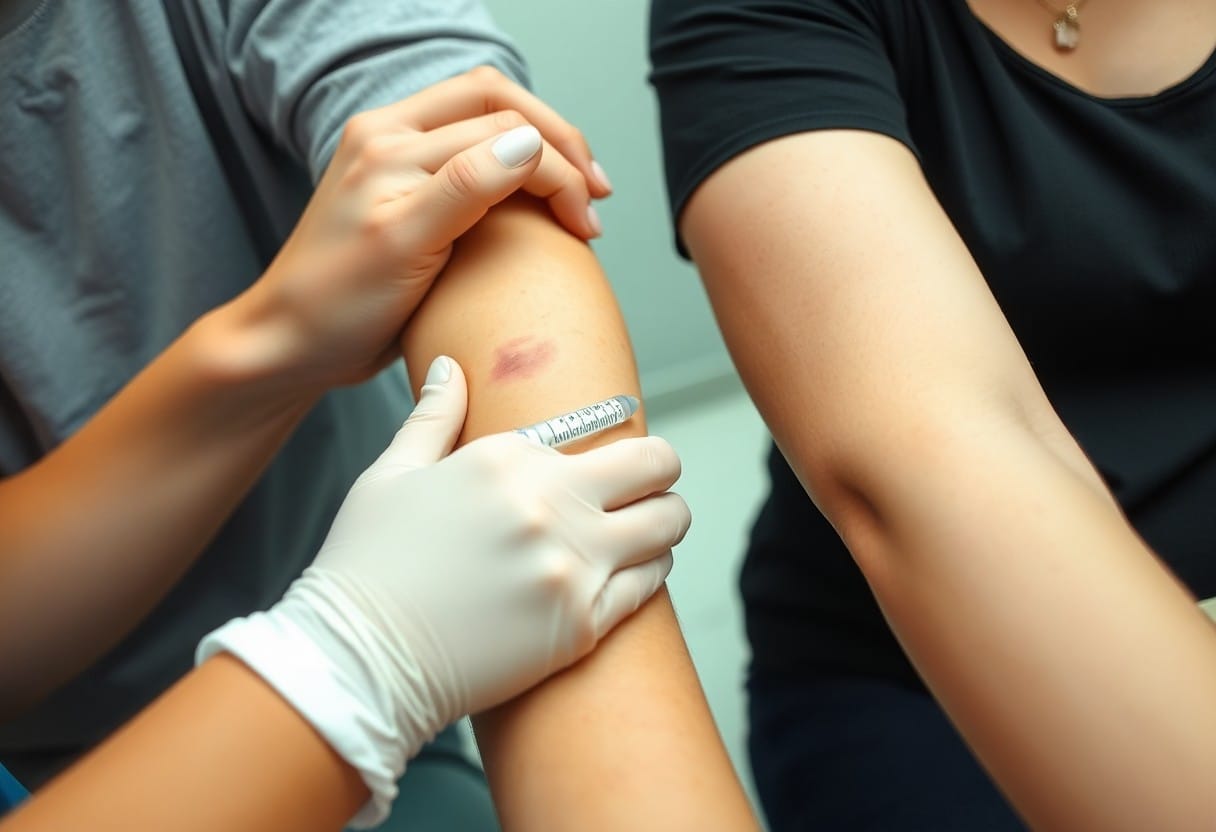

With the ongoing rollout of the COVID-19 vaccine, you may have many questions about its safety and potential side effects, including the incidence of Shoulder Injury Related to Vaccine Administration (SIRVA). Understanding whether SIRVA cases are on the rise is important for addressing your concerns and ensuring your well-being. In this blog post, we will explore the relationship between COVID-19 vaccinations and SIRVA, providing you with reliable information and insights to help you make informed decisions about your health.
Understanding SIRVA
A SIRVA, or Shoulder Injury Related to Vaccine Administration, can occur when a vaccine is incorrectly injected into the shoulder. This may lead to chronic pain and inflammation, significantly affecting your mobility. Understanding SIRVA is necessary for recognizing symptoms early and seeking appropriate treatment.
Definition and Symptoms
Before you dismiss any shoulder pain following a COVID-19 vaccination, it’s important to understand that SIRVA can manifest as severe pain, swelling, and tenderness in the shoulder area. Symptoms may also include limited range of motion and, in some cases, persistent discomfort following the vaccination.
Causes and Risk Factors
On top of understanding SIRVA, you should be aware of the causes and risk factors that contribute to its development. These include:
- Poor injection technique
- Inappropriate needle size
- Patient’s anatomy and muscle mass
- Pre-existing shoulder conditions
Assume that individuals with less muscle mass or prior shoulder problems may be at a higher risk of developing SIRVA due to compromised injection sites.
Causes of SIRVA are mainly tied to the way vaccines are administered. An inaccurate placement, typically above or too deep into the muscle, can result in injury. Risk factors often associated with SIRVA include:
- Needle gauge issues
- Anatomical variations
- Existing health conditions
- Injection location
Assume that taking proper precautions, like using the right needle size and ensuring an appropriate injection site, can significantly minimize your risk of encountering SIRVA.
Vaccination and Its Role
The role of vaccination in combating infectious diseases, particularly COVID-19, is undeniable. Vaccination not only protects you from severe illness but also helps in building herd immunity, reducing virus transmission. As more individuals get vaccinated, the overall risk of outbreaks decreases, ultimately contributing to the end of pandemic-related restrictions and restoring normalcy to everyday life.
COVID-19 Vaccines Overview
For your understanding, COVID-19 vaccines have been developed rapidly to provide protection against the virus. They work by stimulating your immune system to recognize and respond effectively to the virus if exposed. The vaccines available utilize various technologies, including mRNA and viral vector platforms, ensuring strong immunity across diverse populations.
Administration Techniques
By adhering to proper administration techniques, you can maximize the effectiveness of the COVID-19 vaccine. Proper handling, storage, and injection methods are imperative to ensure the vaccine’s efficacy and safety. Additionally, following recommended guidelines helps reduce the likelihood of complications associated with vaccination.
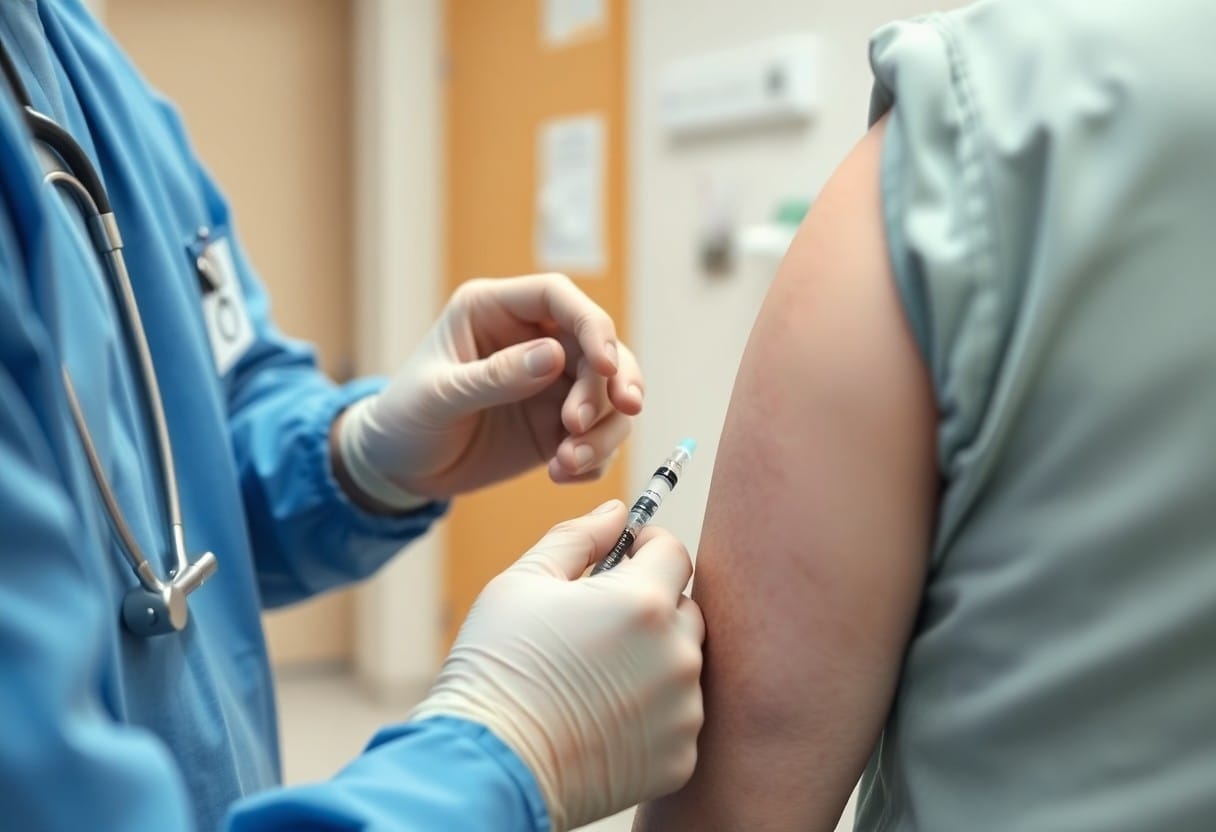
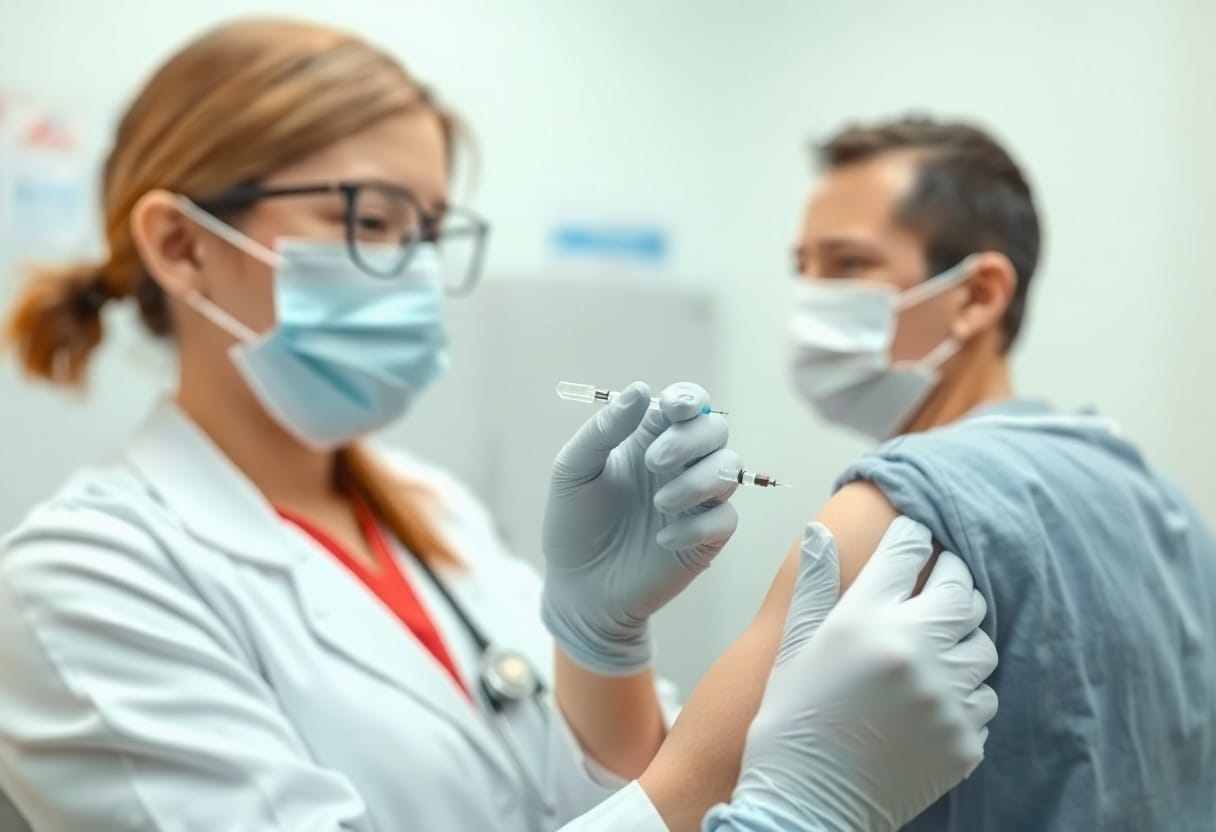
Administration of the COVID-19 vaccine involves stringent protocols that are designed to ensure your safety. The vaccine should be injected intramuscularly, typically into the deltoid muscle of your upper arm. Proper angle, depth, and technique are significant in minimizing discomfort and preventing adverse effects such as SIRVA. Adequate training for healthcare providers is imperative to avoid any complications, ensuring that you receive the best possible care during the vaccination process.
SIRVA Cases Post-Vaccination
There’s been increasing attention on Shoulder Injury Related to Vaccine Administration (SIRVA) following COVID-19 vaccinations. Patients have reported discomfort in the shoulder area, leading to concerns about whether these injuries are more common now than before the pandemic. Understanding the link between vaccination techniques and SIRVA is necessary for your well-being and for those around you.
Trends and Statistics
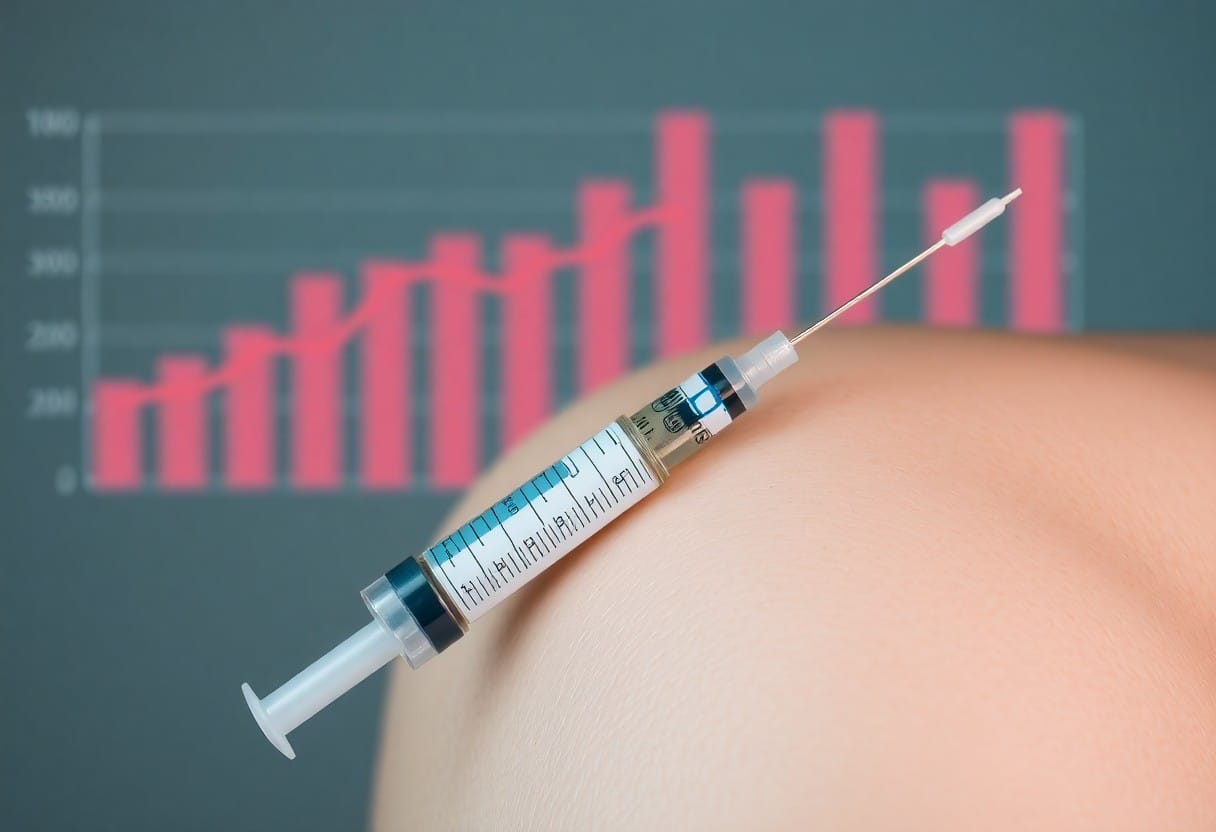
PostVaccination data shows a noticeable uptick in cases of SIRVA, with health professionals documenting a range of symptoms related to shoulder pain following vaccine administration. This trend warrants further examination to assess how vaccine protocols can be improved to prevent such injuries.
Analyzing Reported Cases
Around the world, numerous reports have surfaced detailing cases of SIRVA after receiving COVID-19 vaccinations. This has prompted healthcare providers to evaluate existing administration techniques carefully.
At a closer look, reports indicate that many individuals have experienced long-lasting discomfort or limitations in shoulder mobility, which significantly impacts quality of life. While most vaccine-related injuries are mild, some cases have escalated, leading to medical interventions like physical therapy. As a member of the community, it’s necessary for you to stay informed on proper vaccination techniques to help minimize risks associated with SIRVA.
Impact on Public Health
Unlike previous vaccination campaigns, the distribution of COVID-19 vaccines has raised concerns regarding Shoulder Injury Related to Vaccine Administration (SIRVA). With millions vaccinated, tracking adverse events has become necessary for public health officials. Understanding these occurrences is vital in ensuring that vaccine-related injuries are effectively managed to maintain public confidence in vaccination programs.
Patient Awareness and Education
Impact on public perception is significant. Educating yourself about the potential side effects of the COVID-19 vaccine, including SIRVA, empowers you to recognize symptoms early. Increased awareness helps in navigating healthcare conversations and establishing better trust between patients and providers, ultimately contributing to improved patient safety.
Healthcare Provider Guidelines
With the rise in reported SIRVA cases, healthcare providers must follow updated guidelines for vaccine administration. Staying compliant with proper injection techniques and ensuring patient positioning are vital in minimizing risks associated with SIRVA.
Another key aspect of these guidelines emphasizes training healthcare staff on the correct procedures for administering vaccines to avoid unnecessary injuries. For optimal patient outcome, you should encourage your provider to discuss the importance of proper injection techniques and anatomical landmarks. These measures can significantly reduce the incidence of SIRVA and improve overall vaccination experiences, fostering higher acceptance rates among communities.
Management of SIRVA
Now that you have an understanding of SIRVA, effective management is vital to alleviate your symptoms and enhance your overall recovery. Typically, it involves a combination of rest, physical therapy, and pain management strategies, focusing on reducing inflammation and restoring mobility in your shoulder. Ensure you consult a healthcare professional to tailor a management plan specifically for your needs.
Treatment Options
About SIRVA treatment options, both conservative and interventional methods can be effective. You may be advised to use nonsteroidal anti-inflammatory drugs (NSAIDs) to reduce pain and swelling. If your symptoms persist, your doctor may suggest corticosteroid injections for targeted relief or physical therapy to regain strength and mobility in your shoulder.
Prevention Strategies
The most effective way to minimize the risk of SIRVA is through proper vaccination techniques. You should ensure that the vaccine is administered in the appropriate anatomical site, with the healthcare professional using the correct needle length and technique. Maintaining a stable posture during the injection can also significantly lessen the chance of injury.
Treatment strategies should focus on both educating healthcare providers about proper vaccination techniques and empowering you to actively participate in your own care. This includes providing feedback to the administering personnel if you have any concerns regarding your injection technique. If you experience pain or discomfort post-vaccination, promptly report these symptoms, as early intervention can assist in avoiding complications such as SIRVA, enabling a smoother and more positive vaccination experience.
Legal and Medical Implications
Your understanding of the legal and medical implications of SIRVA related to COVID-19 vaccinations is crucial. As more cases arise, the intersection of vaccine policy and patient rights becomes increasingly complex. You may find yourself navigating insurance claims, understanding medical documentation, or even exploring your options for legal recourse should you experience complications from the vaccine. Awareness of these issues can empower you in discussions with healthcare providers and legal advisors alike.
Vaccine Injury Claims
Against the backdrop of rising SIRVA cases, you may wish to explore vaccine injury claims. Knowing your rights and the processes involved can help you seek compensation for any alleged adverse effects. It’s important to understand the Vaccine Injury Compensation Program (VICP), which is designed to provide financial support for legitimate vaccine-related injuries, including those resulting from SIRVA.
Compliance and Reporting Systems
Across the medical community, compliance and reporting systems play a significant role in tracking vaccine-related injuries such as SIRVA. You should be aware that these systems are implemented to monitor adverse events and improve vaccine safety. Reports from healthcare providers and patients help identify trends, making it critical for your experiences to be documented.
At the heart of these systems is the Vaccine Adverse Event Reporting System (VAERS), which allows you to report any adverse events following vaccination. By participating in this system, you not only contribute to enhancing vaccine safety but also ensure that your cases are officially recognized. This is vital for developing effective policies and improving the overall understanding of vaccine-related injuries. It’s important to understand that reporting can lead to critical data that strengthens the safety measures surrounding vaccinations, benefiting you and others in the long run.
Conclusion
Following this analysis, it’s important for you to stay informed about the potential risk of SIRVA related to COVID-19 vaccinations. While cases may have been reported, understanding the correlation between vaccination techniques and the incidence of shoulder injuries is vital. By ensuring you receive your vaccine from a qualified healthcare professional and being aware of the signs of SIRVA, you can better protect your health while contributing to public safety during this ongoing pandemic.