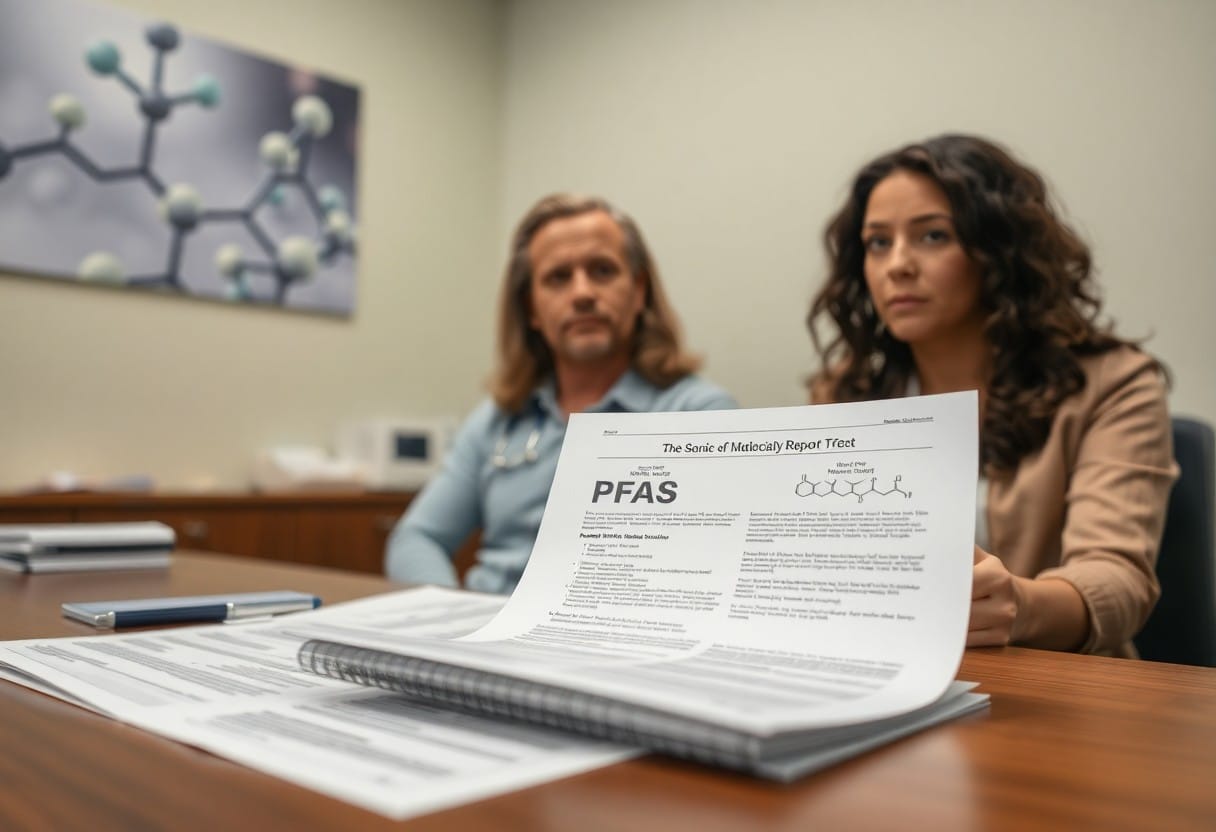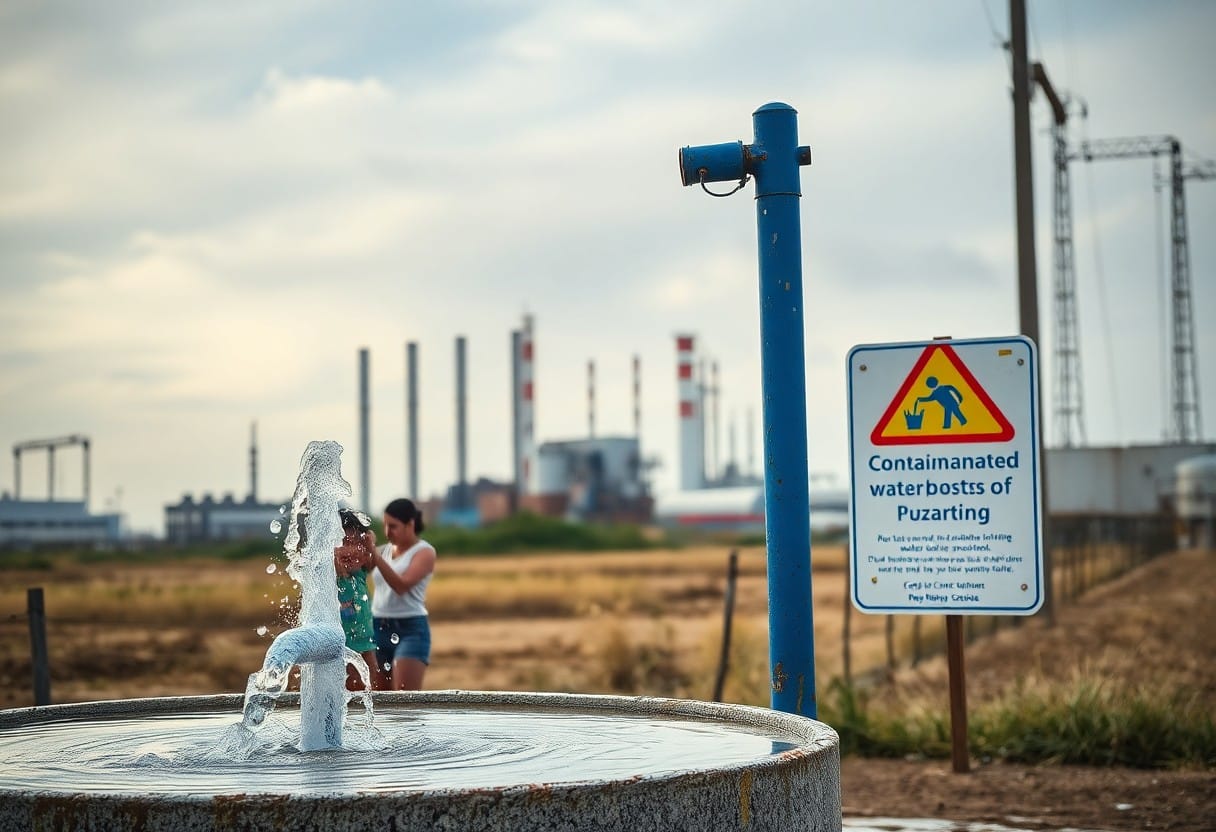


It’s important for you to understand the evolving landscape of PFAS regulation, particularly as public awareness grows around the dangers these chemicals pose to your health and the environment. With increasing evidence linking PFAS exposure to serious health risks, agencies are being pushed to implement stricter regulations. Your role in advocating for transparent policies could greatly influence outcomes in your community. As we look ahead, you’ll discover how emerging guidelines and regulatory frameworks aim to mitigate the impact of these hazardous substances.
Understanding PFAS
Before exploring the future of PFAS regulations, it is vital to grasp what PFAS are and their implications for health and the environment. This understanding will help you navigate ongoing discussions about regulation and safety measures.
What are PFAS?
The term PFAS refers to a group of man-made chemicals known as per- and polyfluoroalkyl substances. These substances have been used since the 1940s in various products, including non-stick cookware, water-repellent fabrics, and firefighting foams, due to their ability to repel water and grease.
Health and Environmental Impacts
The effects of PFAS on human health and the environment are alarming. The presence of PFAS in drinking water and soil can lead to serious health risks, including immune system dysfunction, hormonal disruption, and increased cholesterol levels. Studies suggest a possible link to certain cancers and developmental issues in children, raising concerns over long-term exposure.
At this point, it’s vital for you to understand that PFAS are persistent in your body and the environment, leading to accumulation over time. Elimination of these substances from your life can be challenging due to their widespread use and resilience, but being informed empowers you to make safer choices. Prolonged exposure to PFAS can lead to health complications that include thyroid disease, low birth weights, and various cancers, making awareness and advocacy for stricter regulations vital for your well-being and that of future generations.
Current Regulatory Landscape
You will find that the regulatory landscape for PFAS (per- and polyfluoroalkyl substances) is evolving as concerns about their health and environmental impacts grow. Various federal, state, and international regulations are being established to manage and mitigate exposure, yet inconsistency remains across jurisdictions, complicating your understanding and compliance obligations.
Overview of Existing Regulations
Below is a snapshot of existing regulations targeting PFAS. The U.S. Environmental Protection Agency (EPA) has issued guidelines and advisories, while states have enacted laws related to drinking water standards and the use of PFAS in consumer products. However, the lack of a comprehensive federal standard results in a patchwork of regulations that can vary significantly.
Key Regulatory Agencies
Regulatory agencies involved in PFAS oversight include the EPA, FDA, and state-level environmental agencies. These organizations are tasked with developing guidelines, conducting research, and enforcing regulations to safeguard public health.
Another significant player in PFAS regulation is the Environmental Protection Agency (EPA)Food and Drug Administration (FDA) assesses PFAS in food packaging and consumer products, while state environmental agencies can implement more stringent regulations tailored to local conditions. Each agency plays a pivotal role in addressing the challenges posed by these chemicals, reinforcing the importance of a coordinated regulatory framework to ensure your safety and health.
Challenges in PFAS Regulation
One of the significant challenges in regulating PFAS involves understanding and managing the extensive array of these substances and their varying impacts on the environment and human health. As new studies emerge, the complexities surrounding their toxicity, persistence, and bioaccumulation potential make it difficult for regulatory bodies to establish comprehensive guidelines. The urgency for protective measures is often tempered by the need for substantial scientific evidence, creating a delicate balance between public pressure and scientific rigor in your decision-making process.
Scientific Uncertainty
Above all, the scientific community is still uncovering the full range of health risks linked to PFAS exposure, which creates uncertainty that complicates regulatory actions. There is significant variability in how different PFAS compounds interact with biological systems, meaning risk assessments can vary widely. As your understanding deepens, it can influence future regulations but also poses questions about how to effectively mitigate risks in the meantime.
Enforcement and Compliance Issues
Among the challenges faced in PFAS regulation is the difficulty in enforcing compliance among manufacturers and industries. The wide distribution of PFAS in products and processes makes tracking and limiting these substances particularly challenging. Without robust monitoring systems, ensuring that companies adhere to regulations regarding the reduction or elimination of PFAS can be problematic, ultimately putting public health at risk.
The enforcement of PFAS regulations is complicated by the lack of established monitoring frameworks and the need for extensive resources to ensure compliance. Many companies are unaware of the PFAS presence in their products, and without consistent testing, it can be difficult to hold them accountable. Additionally, the varying state and federal guidelines further complicate compliance efforts, as disparities can lead to gaps in enforcement and potential public health risks. As a stakeholder in this issue, you should advocate for clearer regulations and support initiatives that promote transparency and accountability for all entities involved in the manufacturing and use of PFAS chemicals.
Future Trends in PFAS Regulation
To navigate the evolving landscape of PFAS regulation, you should stay informed about prospective trends that may shape environmental policy. With enhanced public pressure and scientific advancements, regulations are likely to tighten, affecting industries reliant on these substances. Expect greater efforts towards establishing safety standards and increased transparency regarding PFAS in consumer products.
Anticipated Legislative Changes
Behind the scenes, lawmakers are positioning new legislation aimed at addressing the pervasive threat of PFAS. Proposed bills may focus on stricter limits for PFAS in drinking water and the establishment of a federal monitoring system. This shift reflects a growing recognition of the need for rigorous oversight and immediate action.
Innovations in Detection and Remediation
Anticipated innovations in detection and remediation techniques are transforming the way you can approach PFAS contamination.
Due to advances in technology, you can expect improved methods for detecting PFAS at lower concentrations, aiding in identifying and addressing contaminated sites more efficiently. Innovations such as high-resolution mass spectrometry and sensor technology are emerging to help you find PFAS compounds more accurately. Additionally, next-generation remediation technologies, like bioremediation and advanced oxidation processes, are showing promise in effectively breaking down PFAS in environmental matrices. As these technologies develop, they empower you to tackle PFAS challenges more effectively and sustainably.
Public Awareness and Advocacy
Now more than ever, public awareness and advocacy surrounding PFAS have become necessary in driving change. As you learn about the dangers of these chemicals, your voice can join the collective effort calling for effective regulation. Understanding the health risks associated with PFAS not only empowers you to make informed decisions but also encourages proactive steps towards safer environments.
Role of Non-Governmental Organizations
An increasing number of non-governmental organizations (NGOs) are stepping up efforts to raise awareness about PFAS contamination. By providing information, conducting research, and advocating for policy changes, NGOs play a significant role in mobilizing communities and urging governmental action to address this pressing public health issue.
Grassroots Movements and Community Involvement
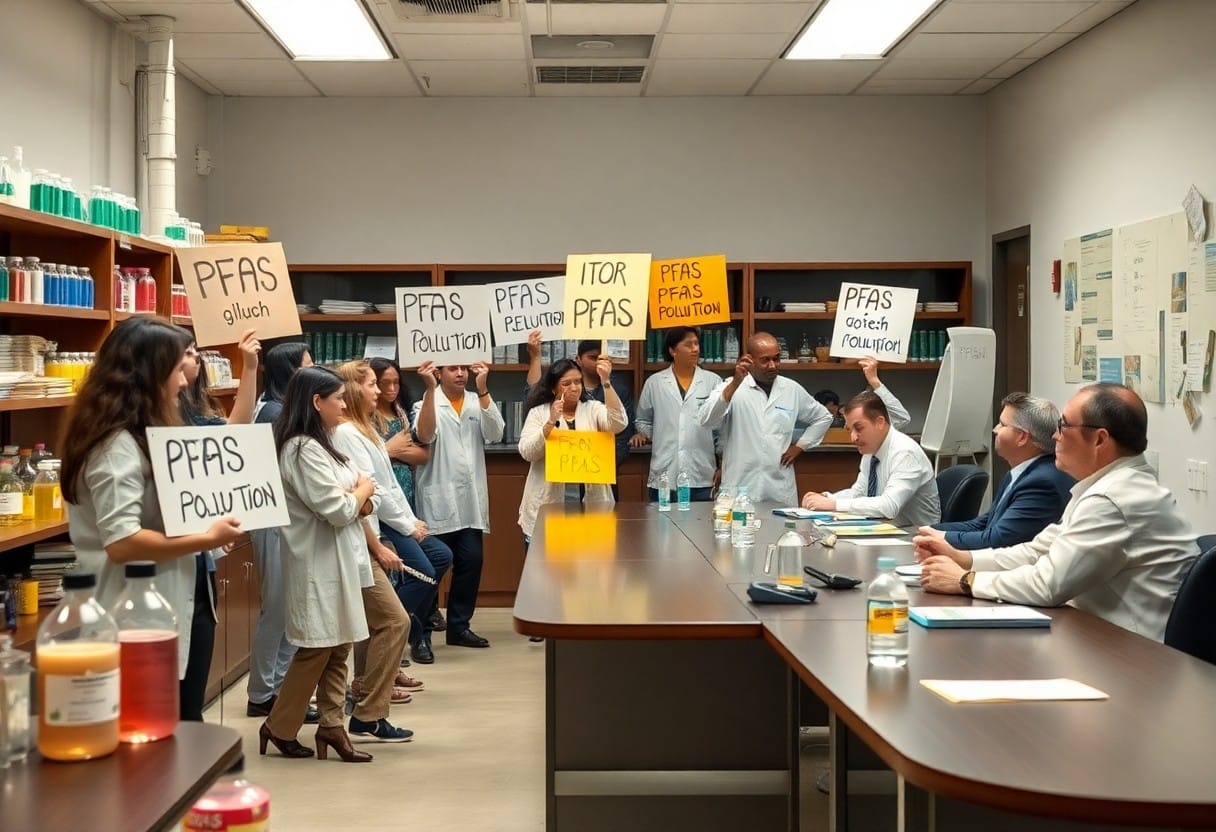
Organizations around the country have recognized the need for grassroots movements to tackle PFAS pollution at the local level. These initiatives empower you and your community to take a stand against harmful practices affecting your environment. They cultivate an atmosphere where individuals can educate themselves, share experiences, and collectively pressure local lawmakers for stricter PFAS regulations.
With grassroots involvement, your community can raise awareness about the health risks posed by PFAS and promote sustainable practices. Local groups often organize events like educational workshops, town hall meetings, and clean-up days, fostering unity and strength against contamination. By becoming active in these movements, you contribute to positive change that can lead to better regulations and, ultimately, a healthier environment for you and future generations.
Case Studies of Successful Regulation
For effective PFAS regulation, several states have implemented impactful measures. Here are notable examples:
- California: Enacted the nation’s first statewide drinking water standards for PFAS, setting a combined limit of 20 ppt for PFOS and PFOA.
- Michigan: Established one of the strictest standards for drinking water with a 70 ppt limit and successfully compelled manufacturers to disclose PFAS usage.
- New Jersey: Set an enforceable drinking water limit of 13 ppt for PFNA, with ongoing assessments for additional PFAS compounds.
- Massachusetts: Implemented stringent regulations mandating public water systems to monitor PFAS levels, resulting in widespread awareness and decreased contamination.
Lessons Learned from State Initiatives
With various states taking the lead in PFAS regulations, key lessons emerge. Collaborative efforts involving public input, robust data collection, and inter-agency cooperation have enhanced transparency and facilitated compliance. These initiatives demonstrate the importance of setting clear limits, backed by scientific research to inform policy decisions.
International Approaches to PFAS Management
Regulation of PFAS is not just a domestic issue; several countries are taking significant action to address these toxic compounds. Countries in the European Union (EU) are working towards stricter regulation, proposing to include PFAS in the REACH legislation that could potentially ban the use of hundreds of PFAS substances. Scandinavia, particularly Sweden and Denmark, has championed national bans on specific PFAS chemicals and developed initiatives for pollution reduction. These international efforts indicate that a global response is vital to managing the risks associated with these persistent substances.
Considering the varying approaches, it’s clear that a unified strategy can strengthen your fight against PFAS contamination. The risks posed to human health and the environment necessitate comprehensive legislation. By integrating lessons from successful international policies, you can advocate for more robust regulations in your region, ensuring a safer future for all.
Final Words
Conclusively, as you navigate the evolving landscape of PFAS regulation, it is crucial to stay informed about potential changes that could impact your health and the environment. Ongoing research and regulatory updates aim to address the risks associated with these substances, ultimately shaping safer practices for you and your community. Engaging with local initiatives and advocating for stricter regulations will play a pivotal role in determining the effectiveness of these measures. Your awareness and participation can contribute to a future where safer alternatives are prioritized, ensuring a healthier environment for all.