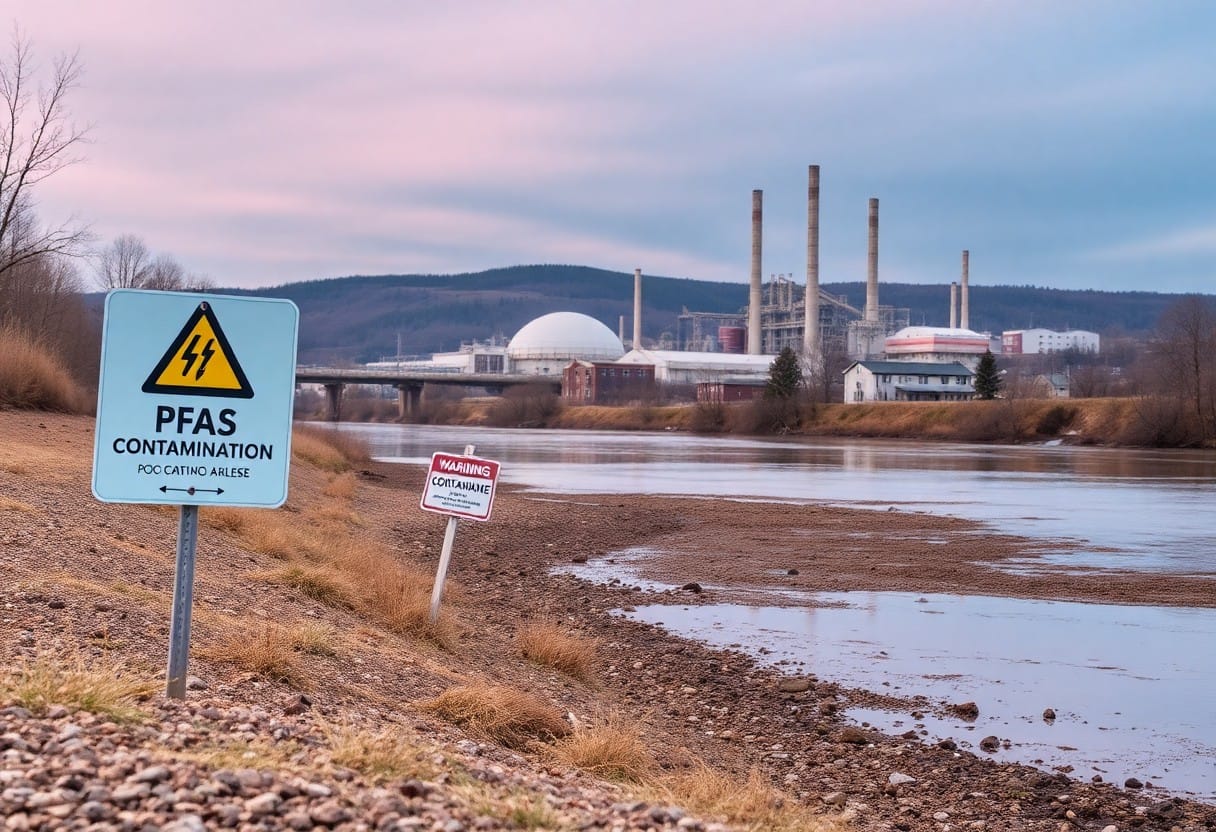

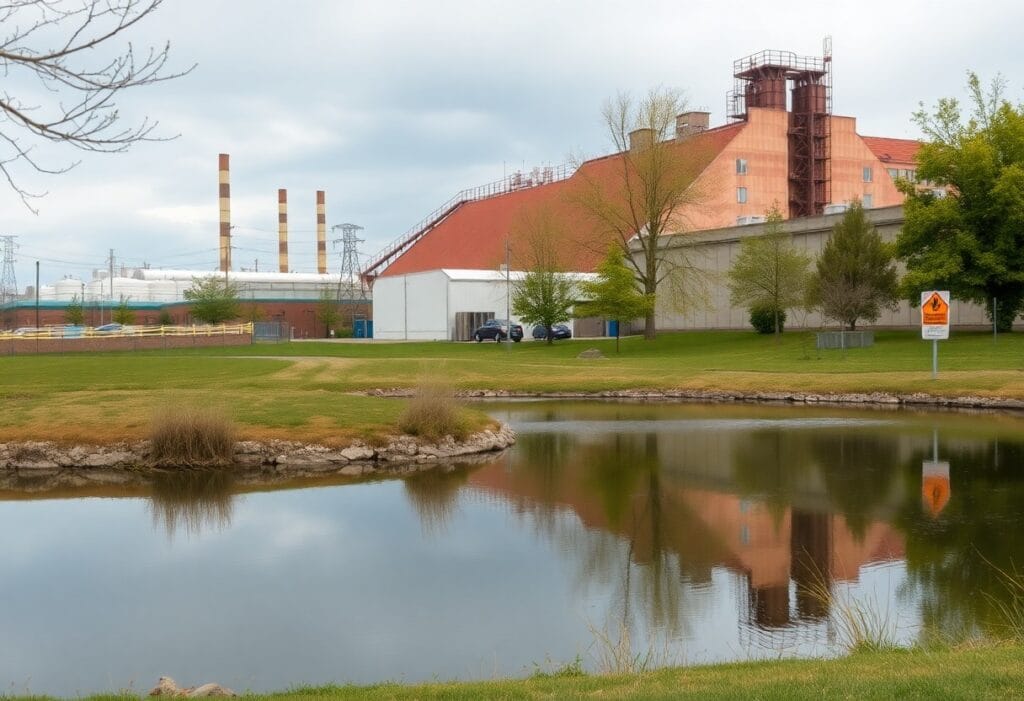
Contamination from PFAS, often referred to as “forever chemicals,” poses significant risks to both human health and the environment in your community. As these substances accumulate in water supplies, soil, and even food chains, they can result in serious health concerns for residents, including immune system impacts and increased cancer risks. Understanding how PFAS contamination could affect your community’s future is necessary—not only to advocate for necessary policy changes but also to ensure a healthier living environment for you and your family.
Understanding PFAS
For communities across the nation, understanding PFAS is necessary for addressing potential health risks and environmental impacts. Per- and polyfluoroalkyl substances (PFAS) are a group of man-made chemicals that have become pervasive in the environment, often referred to as “forever chemicals” due to their resistance to breaking down. They have been linked to numerous health issues, making it vital for you to be aware of their presence in your community.
Definition of PFAS
To put it simply, PFAS are synthetic chemicals used in various industrial and consumer applications due to their ability to repel water and grease. This includes products such as non-stick cookware, waterproof clothing, and food packaging. Their widespread use has led to significant environmental contamination, which can directly impact your community’s health and safety.
Sources of Contamination
At the core of PFAS contamination are several common sources, including industrial discharges, landfill leachate, and the use of firefighting foams. These substances can enter your local water supply, air, and soil, posing serious health risks.
PFAS contamination can originate from manufacturing facilities, where these chemicals are used in production processes. Additionally, firefighting foams that contain PFAS are often used during training exercises or emergencies, leading to runoff that can seep into groundwater. Furthermore, waste from landfills may include PFAS-laden products that leach into the surrounding environment. Understanding these sources is necessary for you to take action and advocate for better practices in managing PFAS risks within your community.
Health Impacts of PFAS
Even though PFAS (per- and polyfluoroalkyl substances) are often dubbed “forever chemicals” due to their persistent nature, their impact on your health can be both immediate and long-lasting. These compounds can accumulate in your body over time, leading to a variety of health issues that you may not immediately associate with chemical exposure. Understanding the health implications is vital for safeguarding not only your well-being but also that of your community.
Short-term Effects
Below are some potential short-term effects of PFAS exposure. You may experience symptoms like fatigue, headaches, or skin irritations shortly after contact, particularly if you live near contaminated water sources. While these effects may seem mild, they can be signs of larger health issues linked to these substances.
Long-term Health Risks
Health risks associated with long-term exposure to PFAS are increasingly concerning. You might face heightened risks for serious conditions such as cancers, liver damage, and thyroid disorders. Studies have shown that these chemicals can lead to a weakened immune response, making you more susceptible to infections and diseases.
A growing body of research highlights the serious consequences of long-term PFAS exposure. A significant amount of data indicates that these chemicals can disrupt hormonal balance, leading to fertility issues and developmental delays in children. Furthermore, people exposed to PFAS may have heightened risks of kidney cancer and testicular cancer. The evidence is becoming overwhelming, revealing that you could face increased cardiovascular issues and potentially impairments in neurological function. As a community member, it is imperative to be aware of these risks and advocate for safer practices to protect your health.
Environmental Consequences
You may not realize that PFAS contamination has far-reaching environmental consequences that can affect not only your health but also the ecosystem in your community. As these persistent chemicals accumulate in the environment, they can disrupt natural habitats and lead to long-lasting damage, ultimately impacting local wildlife and vegetation.
Water Supply Contamination
Environmental contamination of water supplies is a significant risk posed by PFAS. These harmful substances can seep into your drinking water sources, leading to serious health risks such as liver damage and immune system issues, impacting the quality of life in your community.
Soil Degradation
Degradation of soil quality is another consequence of PFAS contamination. When these chemicals infiltrate the ground, they can disrupt the crucial microorganisms that help maintain soil health, leading to reduced agricultural productivity and compromised ecosystems.
Due to PFAS chemicals leaching into the soil, agricultural land can become less fertile and less capable of supporting crops. This degradation not only diminishes food quality but can also affect the entire food chain, as contaminants may accumulate in plants and subsequently enter the bodies of animals and humans. Furthermore, local farmers may face challenges in sustaining their livelihoods as the viability of their crops declines, potentially leading to economic instability in your community.
Economic Implications
After understanding PFAS contamination, it’s crucial to recognize the economic implications for your community. These substances can lead to significant financial burdens, affecting local governments, businesses, and residents alike. The costs associated with prevention, remediation, and potential litigation can stifle growth and strain budgets that could otherwise benefit public services and infrastructure improvements.
Cost of Clean-up
Cost estimates for cleaning up PFAS contamination can reach into the millions, leaving local governments scrambling for funds. As a result, your community may face increased taxes or reduced services as resources are diverted to tackle this pressing issue.
Impact on Local Businesses
Below the surface, PFAS contamination can significantly impact local businesses. Whether through direct harm to water sources or reduced property values, the repercussions can ripple throughout the local economy, potentially leading to job losses and business closures.
Plus, businesses may find it difficult to attract customers if PFAS contamination raises safety concerns. Negative perceptions about safety and health could lead to a decline in tourism and new investments. Furthermore, businesses could face increased operational costs due to compliance with regulations and potential litigation. Addressing these economic impacts is vital to ensure a thriving future for your community, as proactive measures can help stimulate growth and maintain local prosperity.
Community Awareness and Action
Your community’s future is directly linked to awareness and proactive measures regarding PFAS contamination. Engaging residents and local organizations can create a strong front against pollution. By fostering discussions, sharing resources, and collaborating with local leaders, you can elevate the importance of this issue and ensure that your neighborhood is informed about the risks and necessary preventive actions.
Educating the Public
For effective change, education is key. Hosting workshops, distributing informational flyers, and utilizing social media can help raise awareness about PFAS, its sources, and health implications. When you provide your community with the right knowledge, you empower them to make informed decisions about their environment and health.
Advocacy and Policy Change
One of the most impactful ways to address PFAS contamination is through advocacy and policy change. Forming coalitions with like-minded individuals and organizations can amplify your voice, demanding stronger regulations and accountability from polluters.
Policy initiatives surrounding PFAS are increasingly gaining attention. You can advocate for stricter regulations that limit the use of these harmful substances in industrial processes and consumer products. Additionally, advocating for comprehensive testing of water sources and remediation programs can safeguard your community’s health. Engaging with local lawmakers to push for funding and support for cleanup efforts is necessary in creating a cleaner environment for you and future generations.
Future Considerations
Once again, your community could face significant challenges related to PFAS contamination in the future. As awareness grows and research continues, the long-term impacts on public health, the environment, and local economies will become clearer. Understanding these potential ramifications is vital, as it empowers you to advocate for protective measures and sustainable practices in your area.
Regulatory Efforts
To effectively combat PFAS contamination, governments at various levels are implementing regulatory measures aimed at reducing exposure and providing safer alternatives. These efforts include establishing enforceable limits for PFAS in drinking water and requiring industries to disclose the use of these chemicals. As a resident, staying informed about these regulations will help you understand how they impact your community’s health and safety.
Technology and Innovation in Mitigation
One promising avenue for addressing PFAS contamination is through advancements in technology and innovation aimed at mitigation. Researchers are developing new methods for removing PFAS from water supplies, such as innovative filtration systems and bioremediation techniques. Additionally, green chemistry approaches focus on producing safer alternatives to PFAS-containing products. Embracing these advancements is vital for transforming your community’s response to contamination and reducing future risks.
And as technology in mitigation evolves, you should be aware of the potential for cost-effective solutions. For instance, emerging filtration technologies have shown great promise in efficiently targeting PFAS contaminants, which could significantly lower remediation costs. Moreover, innovative collaborations between industry, government, and research institutions are paving the way for the creation of sustainable and effective alternative materials. Engaging with these innovations in your community can foster a proactive stance against PFAS exposure and promote a healthier future for all residents.
To wrap up
With these considerations, it’s clear that PFAS contamination poses significant risks to the future of your community. Understanding the implications of these harmful substances can empower you to advocate for cleaner water, push for stricter regulations, and promote awareness among your neighbors. By staying informed and engaged, you can contribute to creating a healthier environment for yourself and future generations, ultimately enhancing the quality of life in your area.