

There’s a growing concern about PFAS water contamination, which could potentially affect your city. These harmful chemicals, often referred to as “forever chemicals,” are linked to a range of serious health issues and are found in drinking water supplies across the country. As regulatory measures are evolving, it’s imperative for you to be aware of the risks and potential solutions available to ensure your community’s safety. In this post, we’ll explore the serious implications of PFAS contamination and what you can do to safeguard your water quality.

Understanding PFAS
A deeper comprehension of PFAS (per- and polyfluoroalkyl substances) is crucial to grasp their implications for your health and environment. These man-made chemicals, often termed “forever chemicals,” are prevalent in various products due to their ability to resist heat, water, and oil. Their widespread presence raises significant concerns, especially regarding water contamination in your community.
What are PFAS?
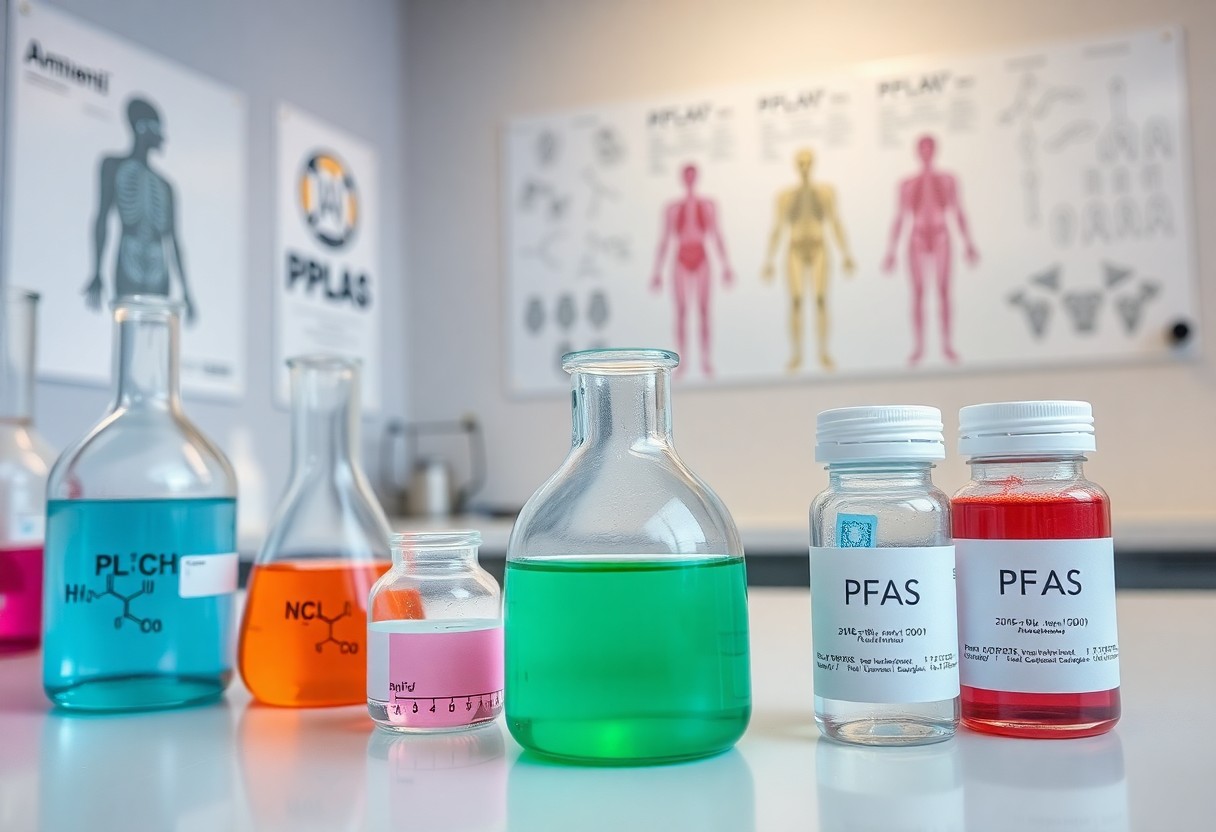
What you need to know is that PFAS are a group of over 4,700 synthetic chemicals widely used in industrial applications and consumer products. They are known for their unique chemical properties, including resistance to heat and water, which make them ideal for products like non-stick cookware, water-repellent clothing, and firefighting foams. However, their persistency in the environment raises alarming health concerns.
History of PFAS usage
What began as innovative solutions turned into a pressing environmental issue with the extensive usage of PFAS starting in the 1940s. Firstly, these chemicals were championed in various industries for their resistance to grease and water, making them integral in manufacturing processes. However, as awareness of their persistence and health risks grew, regulatory actions gradually began to take shape. Today, exposure to PFAS has been linked to serious health effects, including immune system suppression, increased cholesterol levels, and even certain cancers. Understanding this history is vital to recognize the ongoing issues your community might face and advocate for proper safety measures.
Sources of PFAS Contamination
You may be surprised to learn that the sources of PFAS contamination are widespread and diverse, posing a significant threat to water quality in many cities. These substances, often referred to as “forever chemicals,” originate from various industrial and consumer products, creating a persistent environmental issue that could affect your community.
Industrial discharges
To understand the extent of PFAS contamination, it’s vital to look at industrial discharges. Facilities that manufacture or use PFAS can release these toxic substances into the air, land, and water systems, contributing to widespread environmental pollution and potential health risks for surrounding communities.
Consumer products
For many people, the connection between everyday items and PFAS is not immediately apparent. However, various consumer products can be significant sources of these contaminants, impacting your water supply without you realizing it.
With a wide range of consumer products containing PFAS, you might be unknowingly exposing yourself to these harmful chemicals. Items like non-stick cookware, water-repellent clothing, and stain-resistant furniture often contain PFAS, which can leach into the environment through washing or disposal. As these products break down, they can lead to water contamination that ultimately affects your drinking water sources, making it more important than ever to stay informed about the products you bring into your home.
Health Risks Associated with PFAS
If you live in an area affected by PFAS contamination, you should be aware of the potential health risks. Scientific studies have linked exposure to these substances with various adverse health effects, including increased cholesterol levels, immune system dysfunction, and certain types of cancer. Understanding these risks is vital for protecting your health and that of your community.
Human health effects
At low levels of exposure, PFAS can disrupt your body’s hormonal balance and lead to increased cholesterol levels, potential liver damage, and decreased immune system function. Long-term exposure has been associated with more severe health issues, including kidney and testicular cancer. Being informed about these potential dangers empowers you to take action to safeguard your well-being.
Environmental impact
PFAS contamination poses significant challenges not only to human health but also to the environment around you. The persistent nature of PFAS means they can accumulate in soil and water systems, harming wildlife and ecosystems.
To mitigate the environmental impact, it is vital to understand that PFAS do not break down naturally and can remain in the environment for decades. This contamination not only affects local water sources but can also have a ripple effect on food chains, jeopardizing wildlife health and disrupting entire ecosystems. Taking action against PFAS pollution can help protect not just your health but also the health of the environment.
Detection and Monitoring of PFAS
Many cities are grappling with the detection and monitoring of PFAS, a category of chemicals that poses serious health risks. With growing awareness of PFAS water contamination, local governments and organizations are investing in advanced techniques to identify the presence of these substances in drinking water. Regular monitoring is imperative to ensure the safety of your water supply and to protect your community from the potential health impacts associated with exposure to PFAS.
Testing Methods
After understanding the importance of detecting PFAS, various testing methods have emerged to efficiently analyze water samples. Techniques such as liquid chromatography-tandem mass spectrometry (LC-MS/MS) and extraction methods like solid phase extraction (SPE) enable laboratories to quantify PFAS concentrations accurately. You could advocate for your local water utilities to employ these methods to assess the risk of PFAS contamination in your drinking water.
Regulatory Guidelines
Between significant public concern and the increasing prevalence of PFAS, regulatory guidelines are evolving to address water safety. Many states have implemented their own limits for PFAS levels in drinking water, while organizations like the EPA are working on establishing national standards. You should stay informed about the regulatory framework in your area, as these guidelines influence the actions taken to protect your community’s water supply.
PFAS regulations vary widely across the nation, and the push for more stringent guidelines is gaining momentum. Legislation is being introduced at both state and federal levels to tackle PFAS contamination. Be aware that compliance with these guidelines is imperative for water utilities to ensure that PFAS levels remain below harmful thresholds. Engaging with local government initiatives and advocating for comprehensive testing and monitoring can lead to improved water safety for you and your neighbors.
Case Studies of Contaminated Cities
Keep in mind that various cities across the U.S. have reported alarming levels of PFAS water contamination. Here are some notable examples:
- Hinkley, California: Infamous for the PG&E contamination case, with PFAS levels exceeding 1,000 parts per trillion.
- Wichita, Kansas: Found PFAS levels as high as 1,200 ppt in its drinking water.
- Newburgh, New York: Detected PFAS at 85 ppt which led to immediate water supply concerns.
- Flint, Michigan: Ongoing water issues compounded with PFAS contamination affecting numerous residents.
Notable examples
To illustrate the pervasive issue of PFAS contamination, cities like Hinkley and Newburgh serve as alarming case studies, highlighting the severe impact on public health and the environment.
Lessons learned
Behind each case study lies the harsh reality of lax regulations and inadequate testing standards that have allowed PFAS to infiltrate drinking water supplies, impacting your community’s health and safety.
Also, the experiences from these contaminated cities stress the importance of implementing stricter regulations and consistent monitoring of water sources to prevent similar situations in your area. It is vital for you to advocate for improved water quality measures and raise awareness about the potential dangers of PFAS to ensure your city does not become another statistic in this growing crisis.
Mitigation Strategies for Cities
Now that the risks of PFAS contamination are becoming more apparent, cities must adopt effective mitigation strategies. You can play an imperative role in promoting public awareness, enhancing water treatment facilities, and collaborating with local governments to safeguard your community’s water supply. These proactive measures not only protect public health but also improve the sustainability of your local water resources.
Remediation Techniques
To address PFAS contamination, cities can implement various remediation techniques. Options such as activated carbon filtration, ion exchange systems, and advanced oxidation processes can effectively reduce PFAS levels in drinking water. Ensuring the right systems are in place will not only protect your health but also provide a cleaner environment for future generations.
Policy Recommendations
At the policy level, cities need robust recommendations to tackle PFAS contamination head-on. You should advocate for stringent regulations to limit PFAS emissions, establish monitoring systems, and promote research funding for innovative treatments. These recommendations create a framework for your local government to combat contamination effectively.
Hence, developing comprehensive policy recommendations is vital for municipalities dealing with PFAS. Supporting legislation that limits industrial discharge of PFAS compounds into water sources is imperative. You can push for regular water quality assessments to keep you informed about contamination levels. Additionally, establishing financial incentives for clean technology adoption will encourage businesses to reduce their environmental footprint. By championing these initiatives, you can ensure that your city remains vigilant against potential hazards and prioritizes the health of its residents.
Final Words
Summing up, you must consider the potential for PFAS water contamination in your city, as it poses significant risks to public health and the environment. Staying informed about local water quality reports, advocating for stricter regulations, and supporting clean water initiatives can empower you to protect your community. Be proactive in addressing this issue, as awareness and action are vital to safeguarding your water resources and ensuring a healthier future for all.