

You can take practical steps to manage your SIRVA pain effectively and enhance your recovery process. Understanding the nature of this discomfort is key, as it can significantly impact your daily activities and overall quality of life. By implementing targeted pain management techniques and focusing on healing strategies, you can reduce your discomfort and promote a quicker recovery. This guide will provide you with actionable tips and methods to help you regain control of your health and mobility.
Understanding SIRVA
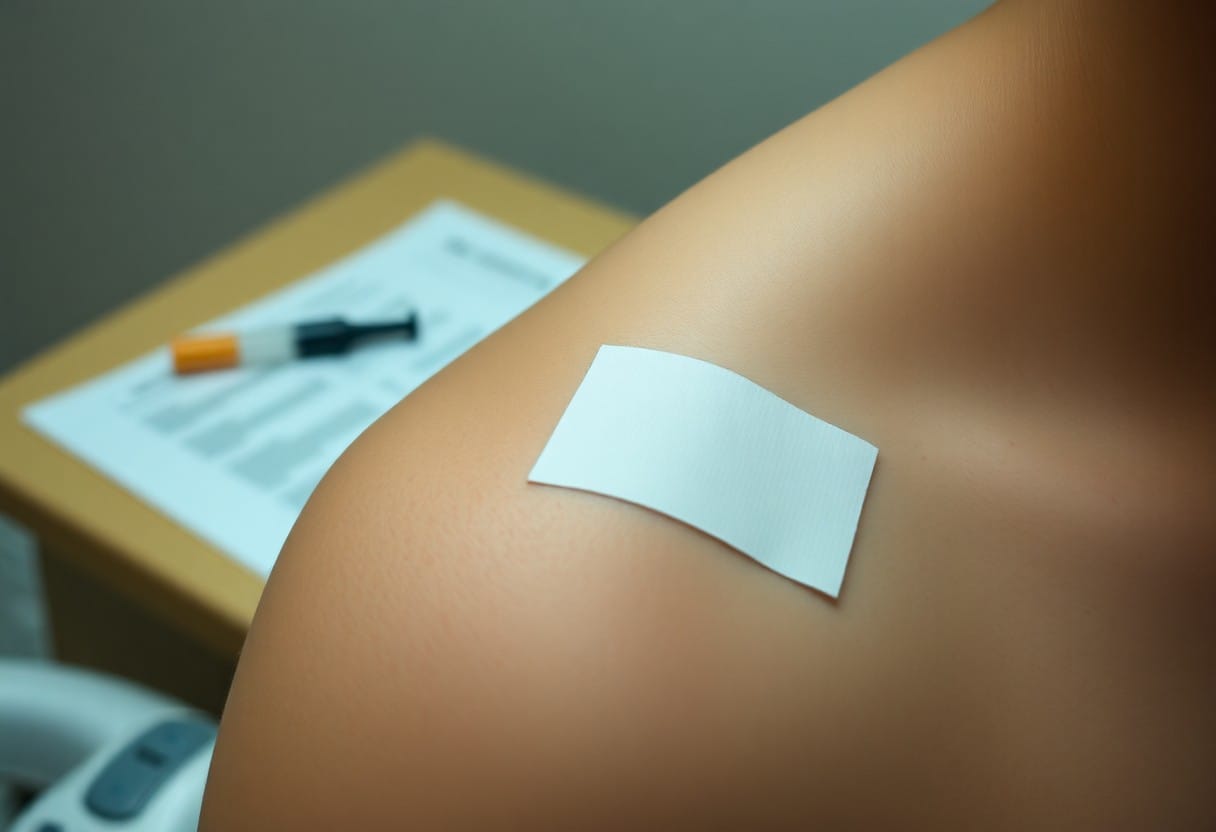
The shoulder injury related to vaccine administration (SIRVA) is a condition that arises when the vaccine is improperly injected into the shoulder joint or surrounding tissues. It often leads to pain, limited mobility, and discomfort in your shoulder, affecting your daily activities and overall well-being.
What is SIRVA?
On its most basic level, SIRVA occurs when a vaccine is administered in a way that results in shoulder pain. This condition is not just a side effect of vaccination; it involves inflammation of the tissues around the shoulder, which can take weeks or months to heal.
Common Causes of SIRVA
To understand SIRVA better, it is necessary to identify its common causes. The most typical issue arises when the vaccine is injected too high in the shoulder or into the wrong muscle, leading to irritation and inflammation.
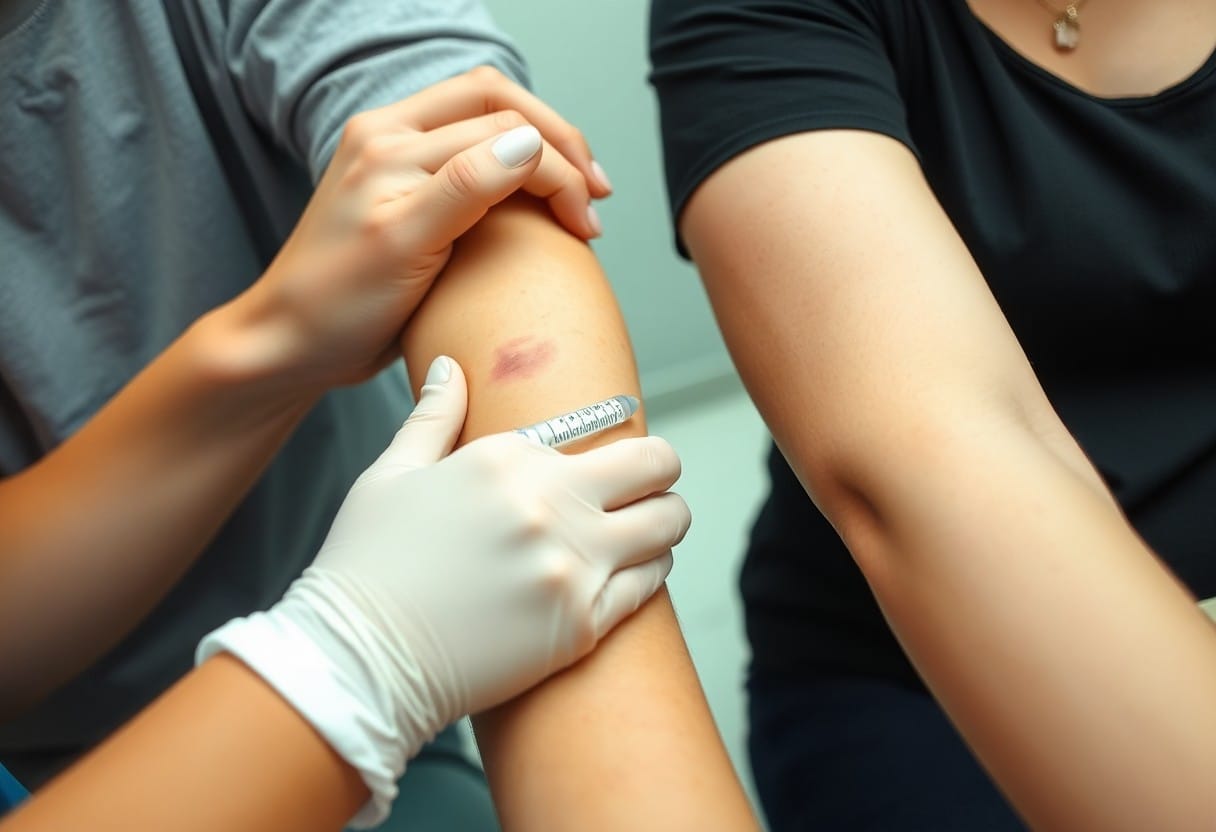
Causes of SIRVA often stem from improper injection technique, such as placing the needle within the subacromial space instead of the deltoid muscle. This mistake can create direct trauma to the shoulder structures, resulting in pain and limited motion. Additionally, anatomical variations and the use of inappropriate injection techniques can exacerbate the risk of developing SIRVA. Understanding these causes can empower you to communicate effectively with healthcare professionals and advocate for appropriate vaccination practices.
Pain Management Techniques
If you are coping with SIRVA, employing effective pain management techniques can greatly enhance your recovery. Techniques such as ice therapy, medication, and gentle exercises help reduce discomfort and promote healing, allowing you to navigate your recovery journey more comfortably. Exploring these options can empower you to take charge of your pain management and improve your quality of life.
How to Implement Ice Therapy
Management of SIRVA pain can begin with simple ice therapy. Apply an ice pack wrapped in a thin cloth to the affected shoulder for about 15-20 minutes every hour. This can help reduce swelling and numb the pain. Aim to use ice therapy in the first 48 hours following the onset of symptoms for optimal results.
Tips for Effective Pain Relief Medications
There’s a landscape of options when it comes to pain relief medications. Here are some tips to enhance their effectiveness:
- Consult with a healthcare provider for the right medications.
- Adhere to prescribed dosages to avoid > side effects.
- Combine medications with other therapies for enhanced relief.
Knowing how to use pain relief medications properly can significantly ease your discomfort and aid your recovery.
The right approach to pain relief medications involves understanding your options and knowing their effective use. It’s crucial to consult with a healthcare professional to tailor your pain management strategy. Here are some important considerations:
- Only take over-the-counter medications as directed.
- Monitor for possible side effects and inform your doctor.
- Consider non-steroidal anti-inflammatory drugs (NSAIDs) for inflammation.
The more informed you are about your treatment options, the better choices you can make regarding your pain management. Knowing this can lead you to a safer and more effective recovery experience.
Factors Affecting Recovery
Any successful recovery from SIRVA pain management is influenced by multiple factors, including your overall health, adherence to treatment, and emotional well-being. Key considerations include:
- Age
- Severity of injury
- Consistency in therapy
- Support system
- Personal motivation
Assume that addressing these factors can significantly improve your recovery experience.
Importance of Early Intervention
Even a slight delay in addressing SIRVA can lead to prolonged discomfort and hinder your overall recovery. Prompt intervention helps mitigate pain and initiates the healing process, allowing you to regain mobility and function more swiftly.
Role of Physical Therapy
Therapy is a fundamental aspect of your recovery journey, as it focuses on restoring your strength and mobility post-injury. Through personalized exercise regimens and techniques, you are equipped with tools to manage pain effectively.
To maximize recovery, engage actively in your physical therapy sessions. This process not only boosts strength and flexibility but also decreases your risk of developing chronic pain. Your physical therapist will work with you to design activities tailored to your specific needs and limitations. Be aware that neglecting therapy can lead to setbacks. Therefore, commitment to doing your exercises at home, following your therapist’s guidance, and communicating your progress is vital for achieving the best outcome and promoting overall well-being.
At-Home Care Strategies
Keep your recovery smooth by implementing effective at-home care strategies. Focusing on your comfort, using pain relief techniques, and allowing your body the necessary time to heal are key components. Adopt practices that support your emotional and physical well-being, which can lead to a faster and more enjoyable recovery process.
How to Create a Comfortable Recovery Space
Some simple adjustments can transform your environment into a soothing recovery space. Choose a quiet area with ample natural light, comfortable seating, and easy access to necessary items such as medications and water. Enhance your space with soft blankets, pillows, and calming scents, ensuring you feel relaxed and secure while you heal.
Tips for Gentle Exercises
Tips for introducing gentle exercises into your routine can greatly aid in recovery. Start with a few light stretches or deep breathing exercises to improve circulation without exacerbating discomfort. As you feel more comfortable, consider incorporating low-impact activities. Prioritize listening to your body and avoid pushing your limits. Your exercise routine may include:
- Walking: Start with short distances and gradually increase.
- Stretching: Incorporate gentle stretches to improve flexibility.
- Breathing exercises: Focus on deep, calming breaths.
After following these tips, you should feel more mobile and energized, setting the foundation for continued progress.
Comfortable exercises can play a significant role in your recovery journey. Engaging in light activities helps to boost your mood and enhance blood circulation, positively impacting your healing process. Always approach these exercises with a focus on low-impact movements and be attentive to your body’s response. As you navigate your recovery, consider these exercises as vital:
- Tai Chi: Increases flexibility and balance without strain.
- Yoga: Offers gentle stretches and promotes relaxation.
- Swimming: Provides support while allowing free movement.
After incorporating these into your routine, you’ll likely experience improved well-being and resilience as your body heals.
When to Seek Professional Help
After experiencing persistent pain or discomfort following a SIRVA injury, it’s vital to evaluate your symptoms and decide when to seek professional help. If your pain is worsening, impacting your daily activities, or accompanied by unusual symptoms like swelling, fever, or numbness, don’t hesitate to consult a healthcare provider for further evaluation and treatment options.
Signs You Need Medical Attention
Help can be necessary if you notice increasing pain, persistent swelling, or a sudden loss of strength in your arm. Additionally, if you experience fever or chills, skin discoloration, or unexplained numbness, these are red flags warranting immediate medical evaluation. It’s vital to address these issues to prevent further complications.
Questions to Ask Your Healthcare Provider
One important step when seeking help is to prepare questions for your healthcare provider. Understanding your condition better will empower you in the recovery process.
For instance, you might ask, “What treatment options are available for my SIRVA injury?” or “Are there specific exercises I should avoid or include in my recovery?” Additionally, inquire about potential side effects of any prescribed medications or therapies you might undergo. Understanding your prognosis and the expected timeline for recovery can also aid in setting realistic expectations for your rehabilitation journey.

Prevention Tips for Future Injections
Unlike most procedures, proper preparation can make future injections much more comfortable. To minimize discomfort during subsequent injections, consider the following tips:
- Maintain a healthy lifestyle to promote better recovery.
- Discuss any past experiences with your practitioner.
- Practice relaxation techniques before your appointment.
- Stay hydrated leading up to the procedure.
Assume that being proactive about these habits can lead to a smoother experience next time.
How to Choose an Experienced Practitioner
Injections can be a daunting experience, which is why selecting an experienced practitioner is vital. Look for professionals who have a robust track record and positive patient reviews to ensure you’re in safe hands. Check their credentials and inquire about their specialized training in pain management techniques.
Tips for Discussing Concerns Before Procedure
Discussing your concerns openly with your healthcare provider can significantly alleviate anxiety before your injection. Here are some points to cover during your conversation:
- Ask about the procedure and expected outcomes.
- Inquire about any risks or side effects involved.
- Discuss pain management options available during the injection.
- Share your medical history and any allergies.
This approach fosters trust and helps you feel more informed and confident.
With a proactive mindset, it’s vital to convey your fears and expectations to your practitioner. Address issues such as pain tolerance, previous negative experiences, and any anxiety related to needles. Being open strengthens communication, allowing your healthcare provider to tailor the experience to your needs. This enriched dialogue enhances your comfort level with the injection process.
Conclusion
Presently, understanding SIRVA Pain Management is key to minimizing your discomfort and promoting a quicker recovery. By implementing proactive pain management strategies, such as targeted exercises and mindful rest, you can significantly enhance your healing process. It’s important to listen to your body and seek professional guidance when necessary. With the right approach, you can navigate this journey more effectively and regain your strength sooner.